Heat stress: what shows up before the THI does
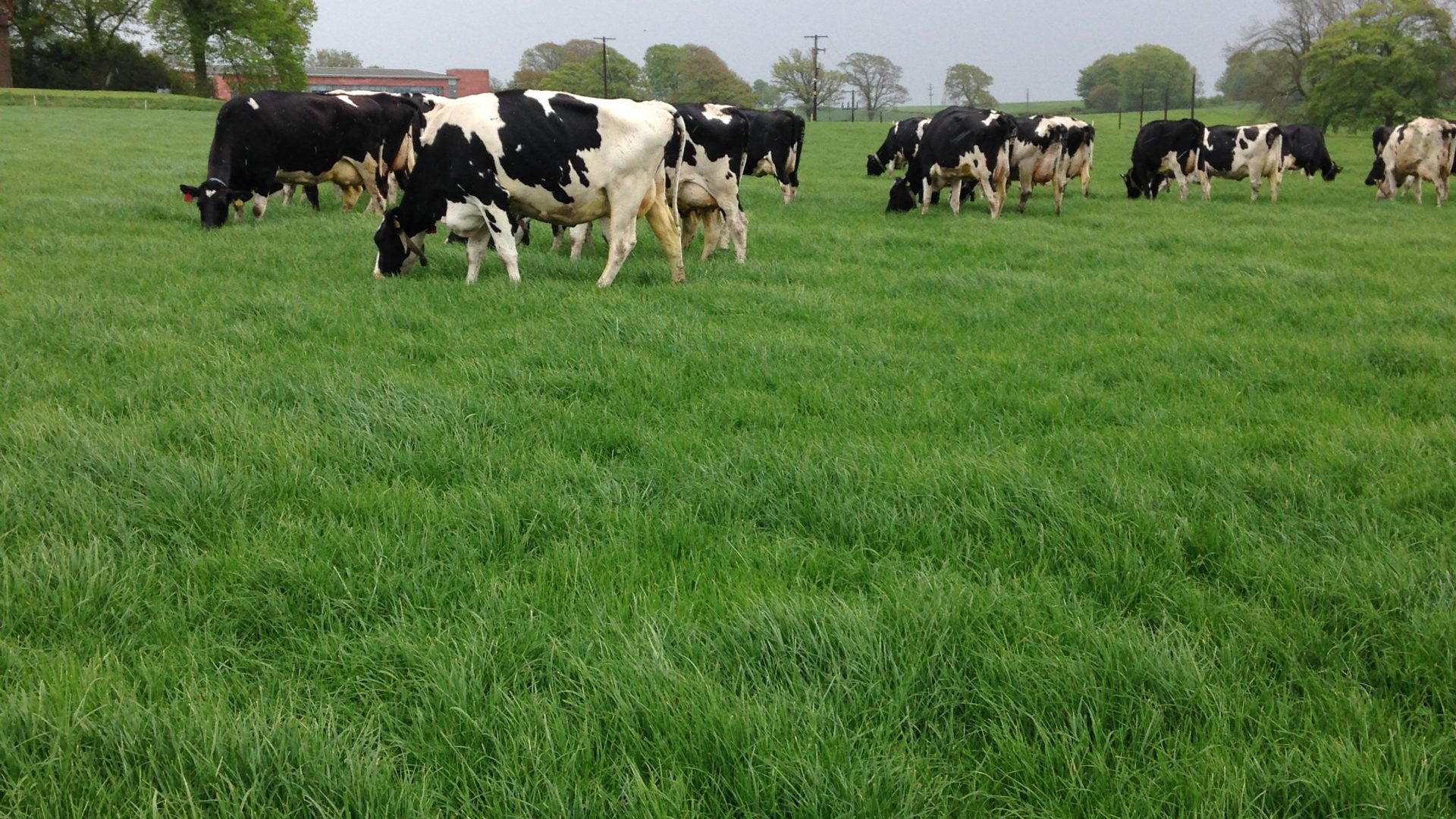
There is a moment, usually in late May or early June, when the weather turns and the herd starts behaving slightly differently. Not dramatically. Not in any way that would prompt a phone call. But differently, all the same.
This is when heat stress begins. Long before the THI logger crosses 68. Long before milk yield drops in a way you can see in the bulk tank. Long before anything that looks, on a spreadsheet, like a problem.
Cows are honest reporters of their own discomfort, but they speak in early, subtle signals. A few things to watch for, in roughly the order they appear.
1. Standing time rises before lying time falls
In a comfortable herd, around half the day is spent lying down. When ambient temperature climbs, cows stand more — partly to dissipate heat through a larger surface area, partly because hot cubicles are less comfortable than they were last week. Standing time often rises a day or two before lying time formally drops. If you have activity collars, this shows up early. If you don’t, the look of the pen at two in the afternoon tells you the same story.
2. Respiration rate, before panting
A relaxed cow takes 20–40 breaths a minute. By 60, she’s stressed. By 80, she’s panting. The change from 30 to 50 is the one to catch — it happens silently, and well before drooling, open-mouthed breathing or the obvious signs we all learnt to spot. Walk the group at the warmest point of the day and count flank movements on three or four cows. Twenty seconds is enough.
3. Intake drops in the cooler windows
Heat-stressed cows shift their eating to early morning and late evening. The mid-day refusals get larger; the morning feed disappears faster than usual. If TMR push-up frequency hasn’t changed and you’re seeing more feed left at the barrier at eleven than last week, something is going on.
4. Milk solids slip before yield does
Fat percentage usually wobbles first. Protein follows. Yield is the lagging indicator — by the time the tank tells you, the herd has been compensating for a week. Bulk tank fat dropping by 0.1–0.2 percentage points in June, with no ration change, is almost always thermal.
5. The dry cows show it sooner than the milkers
Dry cows have less heat-dissipating mass leaving the body in milk. They feel the heat earlier and harder, and what happens to them in those last three weeks will show up in the next lactation. If anyone in the herd is going to tell you the shed needs more air, it will be them.
A useful rule: by the time the THI logger says you have a problem, the cows have been managing one for two days.
What this practically means
Two things.
First, build the routine for noticing in May, not June. Walk the pen at the warm hour. Count breaths. Watch the cubicles at midday. Note where the herd chooses to stand if there is a choice. The early signs cost nothing to look for and don’t require equipment.
Second, get the THI logger in early. The number is the back-up, not the lead indicator — but it’s invaluable for noticing the trend, building the record and proving to yourself that whatever ventilation you’ve improved is actually working. Weekly THI reports are part of the on-farm retainer here from May through September for exactly this reason.
Cool, comfortable cows in August aren’t an accident. They’re the result of a thousand small decisions made in May and June, while the cows were still telling you about it quietly.