The three weeks that decide the lactation
If you wanted to identify the most consequential three weeks in a dairy cow’s year, it wouldn’t be the peak of lactation, or the breeding window, or the run-up to drying off. It would be the three weeks before calving and the three weeks after — a six-week stretch that determines, more than any other, what kind of lactation the next ten months will be.
This is the transition period. It is where fresh cow disease starts. It is where displaced abomasums, milk fevers, ketosis, mastitis and metritis declare themselves. And it is where the difference between a herd at 35 litres and a herd at 42 — same genetics, same forage, same parlour — almost always lives.
What good looks like
A well-transitioned cow does a small list of things very predictably.
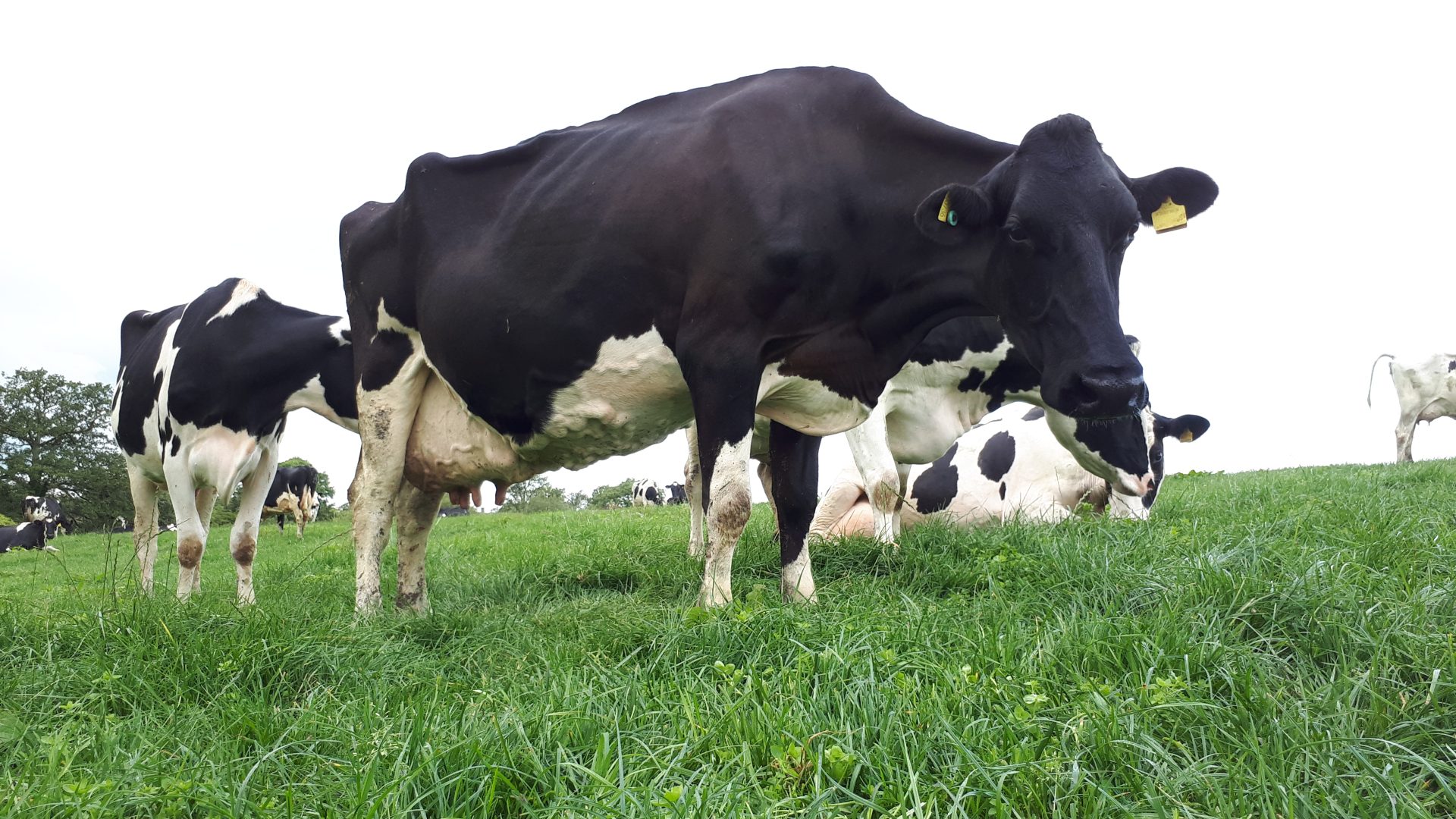
She enters the close-up pen at 3.0 BCS, plus or minus 0.25, and leaves the calving pen at the same condition. She doesn’t drop weight in the dry period and she doesn’t put it on.
She gets up within an hour of calving and starts eating within two. By day three post-calving, she is eating 18–20 kg of dry matter, and that intake climbs in a straight line over the next two weeks. By day fourteen, she’s at 22 kg or thereabouts. Her milk is rising in line with her intake, not ahead of it.
She doesn’t get treated for anything in her first thirty days in milk.
A herd in which 80% of fresh cows behave like this is a herd that will hit production targets without a fight. A herd in which 50% of fresh cows behave like this is a herd that’s leaving five litres a day on the table, costing itself fertility and burning fresh-cow protocols on the herdsperson’s time.
Three things farms most often get wrong
Cow comfort in the close-up pen. This is the group where lying space, cubicle quality and feed-barrier access matter most, and the group that most often gets the leftover pen on the farm. If the close-up group is overstocked, or sharing cubicles with the milkers, or eating off a competitive feed face, the entire transition strategy is compromised before the cow even calves.
DCAD and mineral status going underdone. Sub-clinical milk fever — calcium dipping below 2.0 mmol/L without obvious signs — affects far more cows than the clinical version, and it sets the stage for everything else. A properly balanced close-up ration, with DCAD low enough to acidify the urine to a pH of 6.0–6.5, makes a step-change difference in fresh cow disease.
The dry-cow ration treated as an afterthought. Far dry cows often get whatever is left after the milking and transition rations are made up. Far dry cow nutrition is what determines how a cow arrives at the close-up pen — at the right BCS, with rumen papillae in good shape, ready to eat. If the far dry period goes wrong, no close-up ration in the world recovers it.
The transition period doesn’t reward heroics. It rewards a herd manager who has built three weeks of dull, comfortable, predictable cow behaviour into the routine, and protected it.
What we look at, on the farm
A transition audit, when we do one, is mostly a tour of pens and a stack of small observations. How crowded is the close-up group? How clean and dry are the lying areas? How long is the feed barrier per cow? How fresh is the TMR at two in the afternoon? What does the urine pH look like across ten cows? What does the BCS spread look like at dry-off, at calving, and at thirty days in milk?
It’s not glamorous. But this is the work that quietly compounds: better fertility three months later, fewer culls in the first 100 days, less time spent treating cows that shouldn’t have got sick in the first place.
Get the three weeks right and you can be slightly imperfect about a great many other things. Get them wrong, and there is no ration in the world that will fix it.